

I. "Heart" Components: Core Power Driving Tower Crane Operations
Hydraulic system components (hydraulic pumps, cylinders, pipelines): The luffing, slewing, and lifting movements of tower cranes are all driven by hydraulics, similar to the human circulatory system. High-quality hydraulic parts ensure smooth, uninterrupted movements—for example, preventing sudden drops when lifting heavy loads, which is critical for high-altitude operational safety.
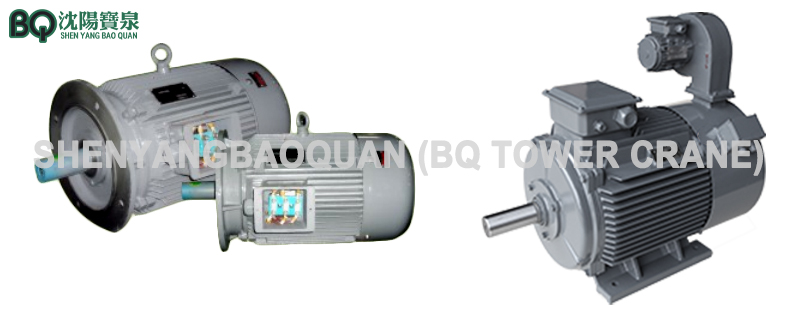
Motors and reducers: Motors are the source of power, while reducers convert this power into precise rotational speeds (e.g., the slewing speed of the jib). Their compatibility directly affects the crane’s "response speed"; inferior components may cause slow startup and soaring energy consumption.
II. "Nervous System": Intelligent Defense for Safety Control
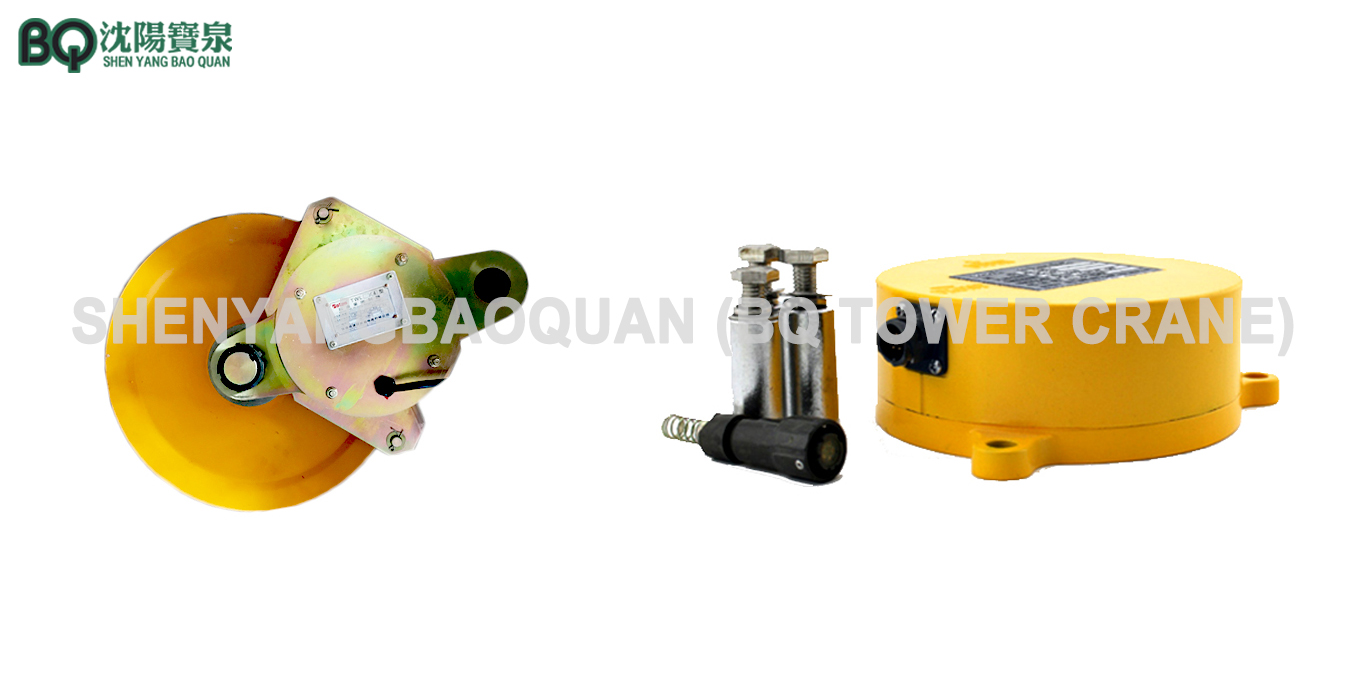
Limiters(height limiters, range limiters, weight limiters): Known as the crane’s "braking system." When the hook reaches maximum height, the jib extends beyond the safe range, or the load is excessive, limiters automatically cut off power to avoid fatal risks like "over-hoisting" or "overload tipping." They are mandatory components under international safety standards.
Sensors and monitoring systems: The "smart brain" of modern tower cranes, which real-time monitor wind speed, load, angle, and other data. Alerts are triggered immediately if safety thresholds are exceeded—for instance, when wind speed exceeds level 10, the system will lock the jib to prevent the crane from being "blown over."
III. "Joints and Bones": Solid Support for Weight Bearing
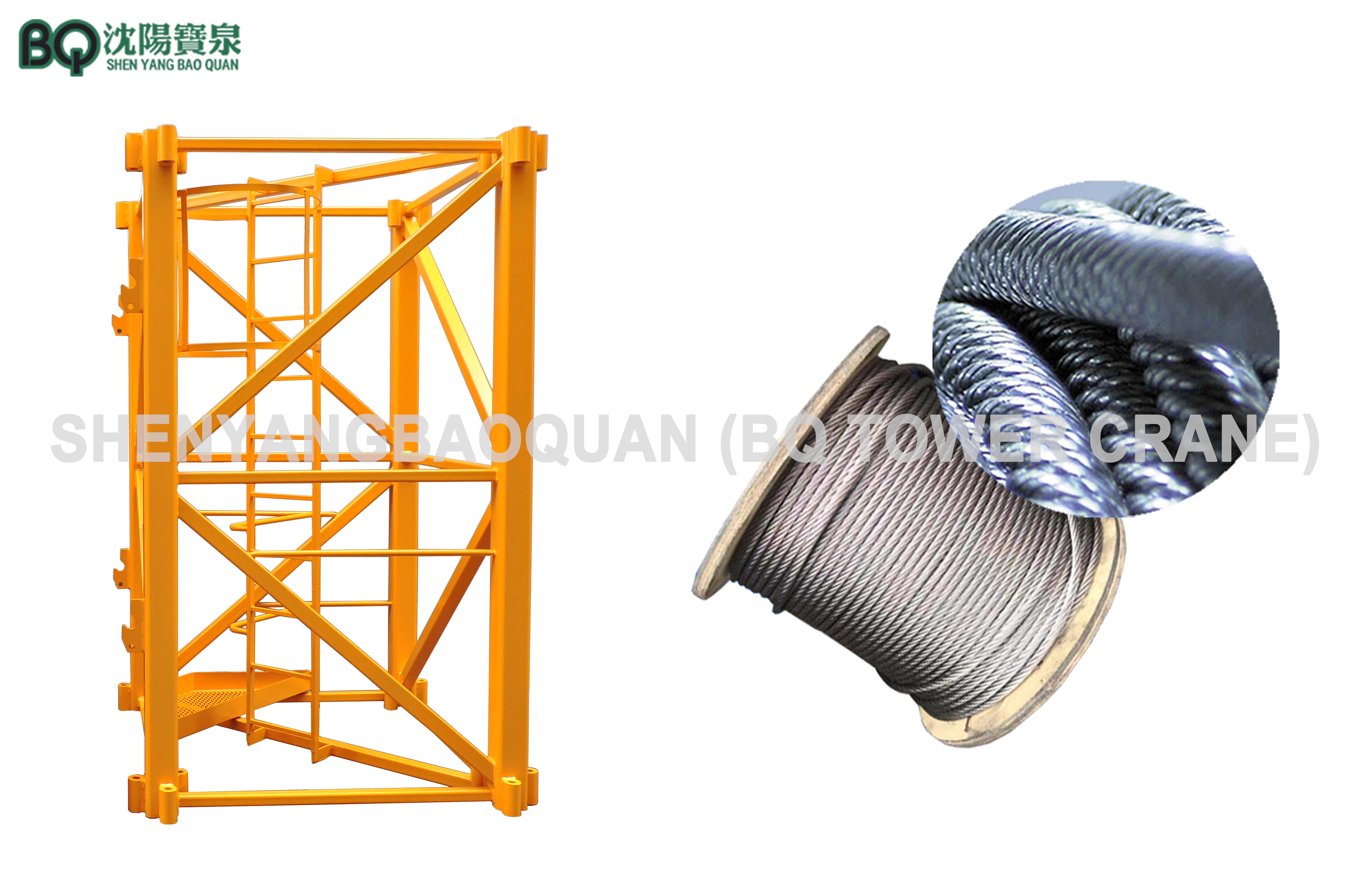
Standard sections and bolts: Tower cranes "grow taller" through the assembly of standard sections, with high-strength bolts being the key to secure connections. Premium bolts, made of grade 8.8 or higher high-strength steel, can withstand hundreds of tons of vertical load, preventing tower tilt due to loosening.
Hooks and wire ropes: The "frontline load-bearers" in direct contact with heavy objects. Hooks must undergo flaw detection (to ensure no cracks), and wire ropes must meet the safety standard of "no more than 10% broken wires"—otherwise, they may suddenly snap during lifting.
IV. "Wear Parts": Small but Impactful
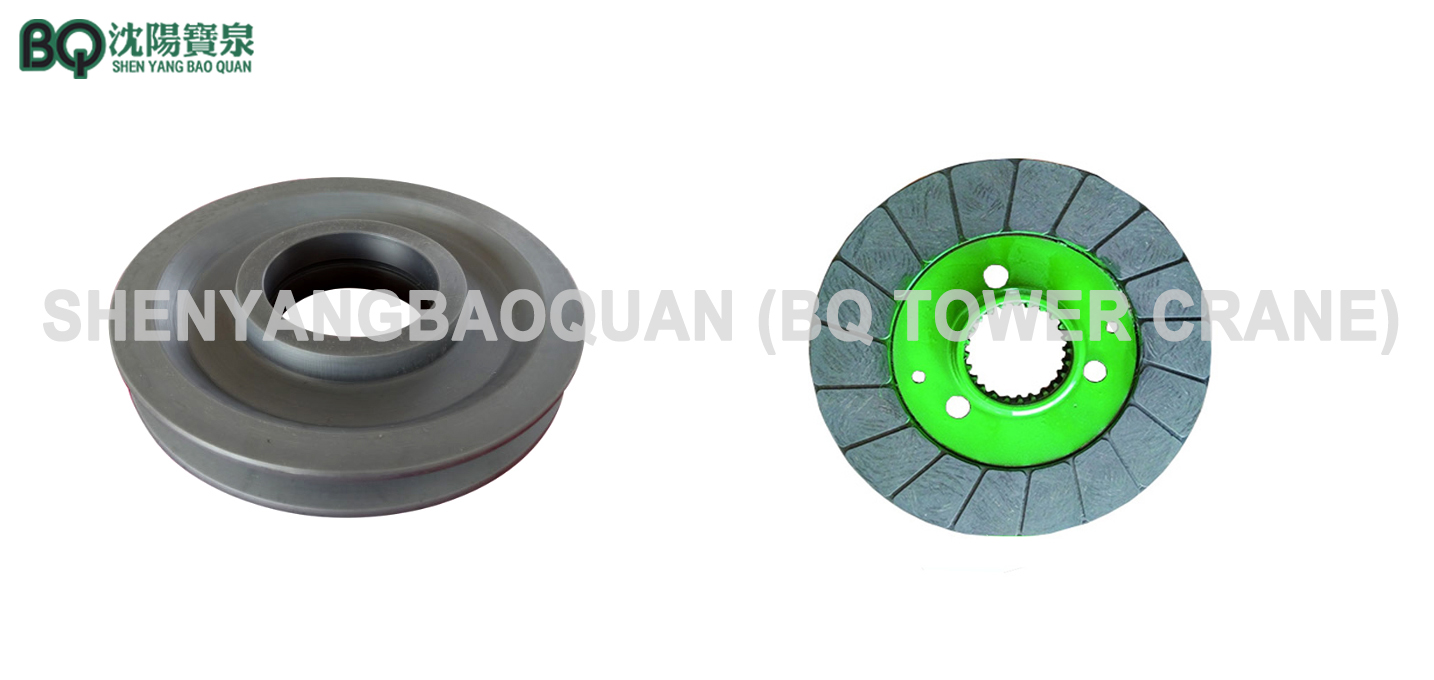
Pulleys and bearings: Pulleys on the jib and hook reduce friction on wire ropes, while bearings ensure smooth slewing and luffing. Severely worn pulleys accelerate rope aging, and low-quality bearings may cause jib "jamming," increasing maintenance costs.
Contactors and brake pads**: The "switches" of the electrical system and braking devices. Contactor failure can lead to operational out-of-control, and worn brake pads extend braking distance. These parts require regular replacement and are essential for routine crane maintenance.
Whether for large infrastructure projects or small-scale engineering rentals, a tower crane’s "health" lies in these accessories. Baoquan Foreign Trade has specialized in exporting tower crane accessories for years. From core hydraulic components to small wear parts, all products hold international certifications and are compatible with mainstream brands. Choosing the right accessories ensures your tower crane operates safely and efficiently, supporting the smooth progress of your projects!
If you need detailed selection guides or certification information for specific accessories, feel free to leave a message for consultation!
