
1. Electrical System Faults
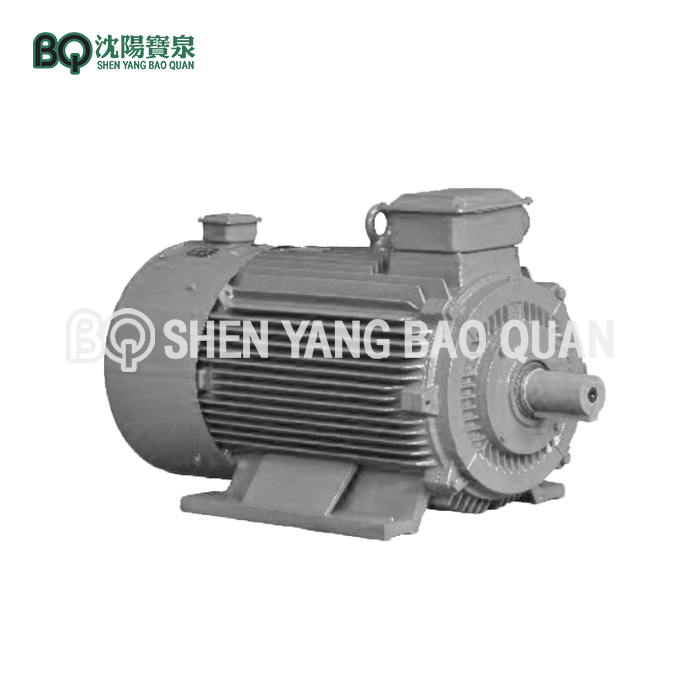
Motor Overheating: When the motor of a tower crane operates under high load for a long time, it is prone to overheating. This may be due to motor overload. For example, if the hoisted goods exceed the rated lifting capacity of the tower crane, the motor needs to output a greater torque to complete the hoisting task, resulting in an increase in current and more intense heat generation. In addition, poor heat dissipation of the motor is also an important factor. If the cooling fan of the motor is damaged, or the ventilation openings around the motor are blocked by sundries, the heat cannot be dissipated in a timely manner, which will cause the temperature of the motor to keep rising.
Damage to Electrical Components: The electrical system of a tower crane includes many components, such as contactors and relays. These components are prone to problems such as contact erosion and coil aging during frequent on-off operations and long-term operation. For instance, during the frequent closing and opening of a contactor, an arc will be generated between the contacts. The long-term effect of the arc will make the surface of the contacts rough and uneven, resulting in an increase in contact resistance and heat generation, and ultimately damaging the contacts.
2.Mechanical Transmission System Faults
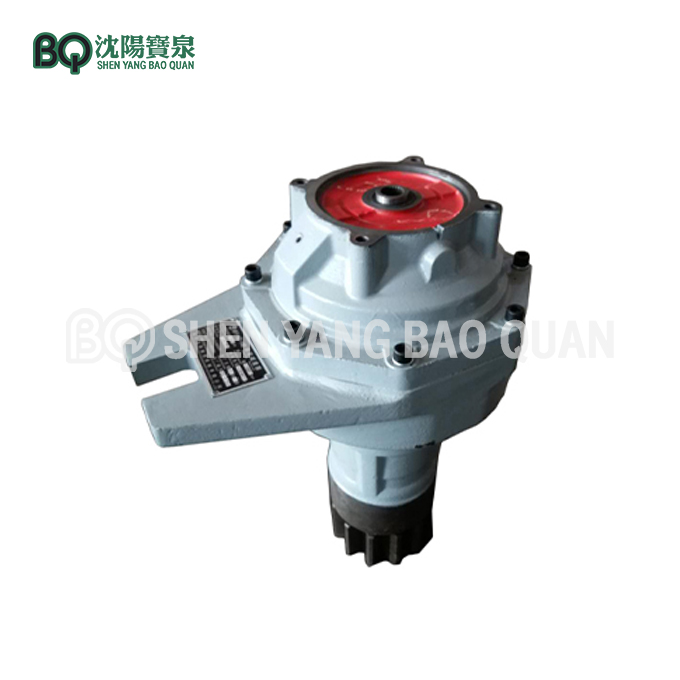
Reducer Faults: The reducer is a key component of the mechanical transmission system of a tower crane. Its function is to reduce the speed of the motor and increase the output torque at the same time. Common faults of the reducer include oil leakage, gear wear, and bearing damage. Oil leakage usually occurs due to the aging and damage of seals or cracks in the reducer housing. Gear wear may be caused by poor lubrication between the gears or the excessive impact force on the gears due to frequent starting and braking during the hoisting process. Bearing damage is often related to insufficient lubrication, improper installation, and long-term operation under heavy load.
Wirerope Faults: The wirerope is a direct load-bearing component for the tower crane to hoist goods. It works in a harsh environment and bears huge tensile force and wear. Common faults of the wirerope include wire breakage, wear, and deformation. Wire breakage usually occurs due to the long-term action of alternating stress on the wirerope, or friction and collision with other objects during the hoisting process. Wear is mainly caused by the friction between the wirerope and the pulley and drum, as well as the extrusion when passing through the guiding device. Deformation may be caused by a sudden overload tensile force on the wirerope, or improper operations such as twisting and bending during storage and use.
3.Hydraulic System Faults
Excessive Oil Temperature: In the operation of a tower crane's hydraulic system, excessively high oil temperature is a common issue. This may be due to the poor performance of the hydraulic system's heat dissipation device. For example, the radiator fins are clogged with dust, which affects the heat dissipation effect. Or the viscosity of the hydraulic oil is improperly selected. If the viscosity is too high, it will increase the flow resistance of the hydraulic oil in the system, generating excessive heat. In addition, long - term heavy - load operation will also cause the oil temperature of the hydraulic system to rise.
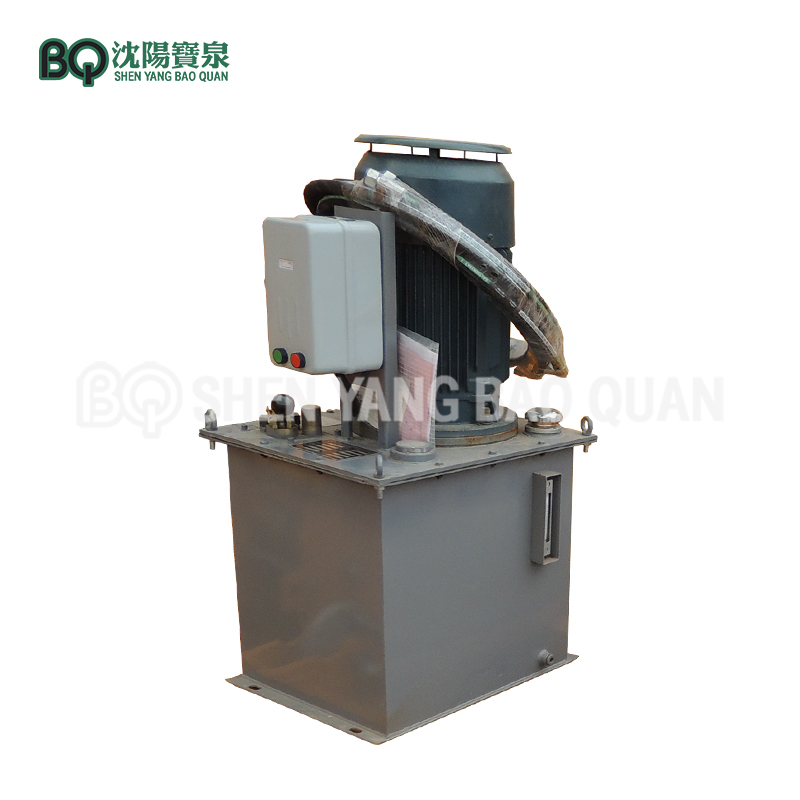
Hydraulic Pump Faults: The hydraulic pump is the power source of the hydraulic system, and its function is to convert mechanical energy into hydraulic energy. Common faults of the hydraulic pump include insufficient flow and unstable pressure. Insufficient flow may be caused by severe wear of the internal parts of the hydraulic pump, such as the plunger and the valve plate, which leads to a decrease in the volumetric efficiency of the pump. Or the oil suction pipeline of the hydraulic pump is blocked, preventing the pump from sucking oil normally. Unstable pressure may be due to the presence of air in the hydraulic system, or malfunctions in pressure control valves such as relief valves, which are unable to stably control the pressure of the hydraulic system.
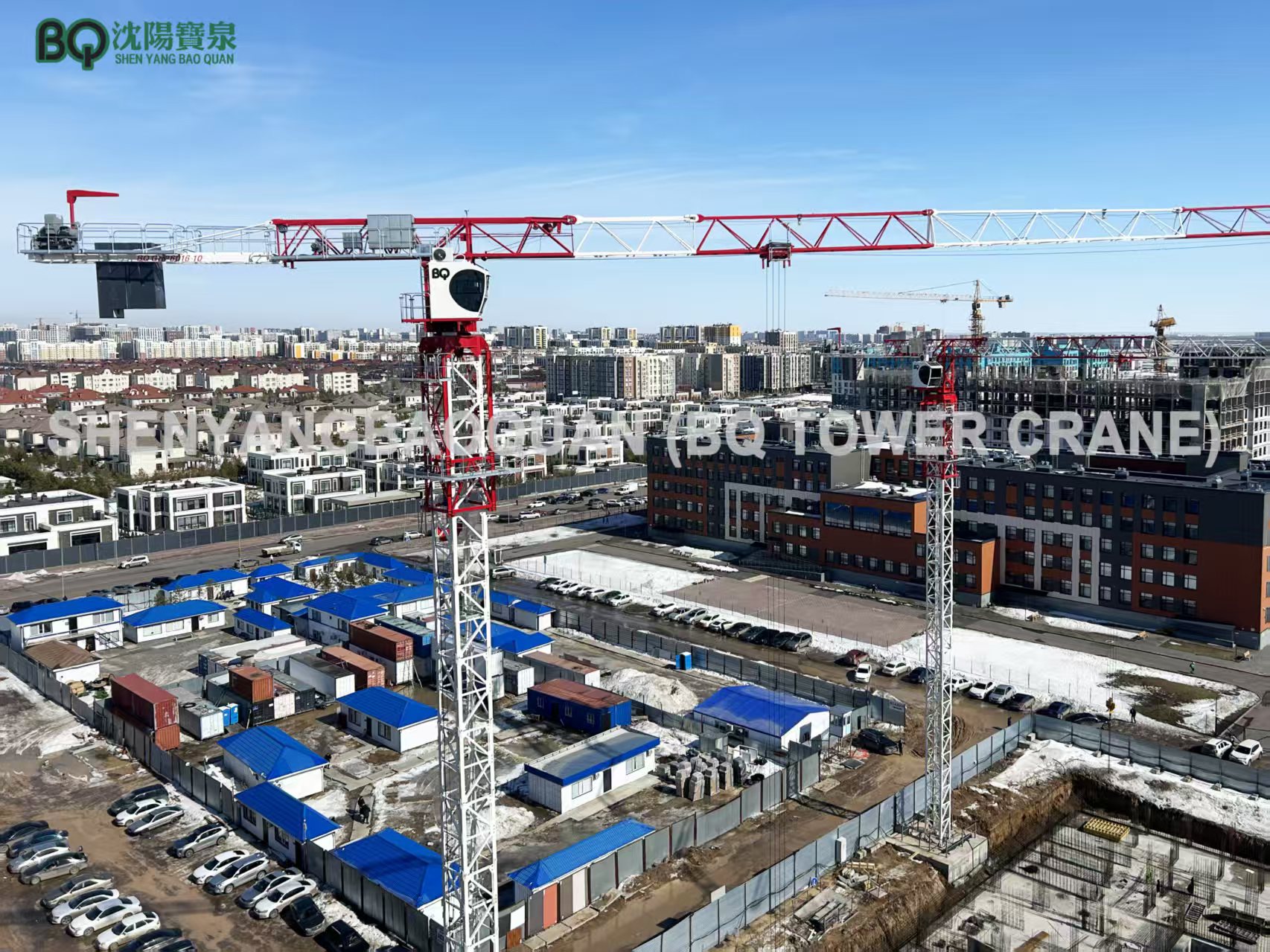
Tower cranes have a wide variety of faults with complex causes. No matter which system malfunctions, it may have a serious impact on the safe operation of the tower crane and the construction progress. Therefore, construction units and operators must attach great importance to the daily maintenance and upkeep of tower cranes. Regularly conduct comprehensive inspections and repairs of tower cranes, and promptly detect and eliminate potential fault hazards. Only in this way can we ensure that the tower cranes always maintain a good operating condition during construction projects, and provide a guarantee for the smooth progress of urban construction.
